
Créez une plateforme de voyage attrayante
Nous avons soigneusement conçu Travels in Time pour vous aider à construire une plateforme de voyage engageante. Que vous partagiez les meilleurs conseils de vacances, les expériences de camping ou les bonnes affaires de voyage, Travels in Time offre la base idéale pour construire un site qui guidera les utilisateurs à travers des expériences de voyage inoubliables.
Des expériences de voyage uniques
Avec Travels in Time, vous pouvez créer une plateforme de voyage qui propose des expériences uniques à vos utilisateurs. Faites découvrir à vos utilisateurs des destinations inédites grâce à Travels in Time !
Présentation générale de Travels in time
Explorer les différentes catégories de voyages
En tant que générateur de site dédié au tourisme, Travels in time couvre les catégories comme les deals de voyage, le camping, les croisières, les locations, les vacances, et plus.
Découvrez des aventures uniques
Inspirant et pratique
Vous cherchez de bonnes affaires? Nous les avons.
Des récits de voyage fascinants
Découvrez les expériences de voyage uniques et les histoires étonnantes de nos membres de la communauté.
À propos de notre entreprise
Notre passion: le voyage
Nous sommes dévoués à fournir les meilleures offres de voyages pour satisfaire les plus grands aventuriers et les amateurs de découverte.
Des expériences inoubliables
Avec notre large choix de catégories de voyages, vous êtes sûr de trouver votre prochaine aventure excitante.
Conseils pour Planifier des Vacances Inoubliables
Tirez le meilleur parti de vos vacances en utilisant nos conseils de voyage pour explorer le monde en toute confiance!
Découvrez l’Aventure du Camping
Échappez à la routine et passez du temps en nature grâce à nos expériences de camping recommandées.
Trouvez les Meilleurs Bons Plans de Voyage
Économisez de l’argent et du temps en utilisant nos astuces pour réserver les meilleures offres de voyage et profiter au maximum de votre budget.
Nouvelles récentes
Découvrez les derniers articles de notre blog pour des astuces de voyage passionnantes et des conseils pour planifier vos prochaines vacances à travers le monde.

Visiter le vatican : toutes les clés pour une visite réussie
Visiter le Vatican, c’est bien plus qu’une simple promenade dans un lieu chargé d’histoire. Avec environ 3 millions de[…]

Taxi aéroport nice : vos trajets en toute sérénité
Opter pour un taxi à l’aéroport de Nice, c’est choisir la tranquillité pour vos trajets. Que vous arriviez ou[…]
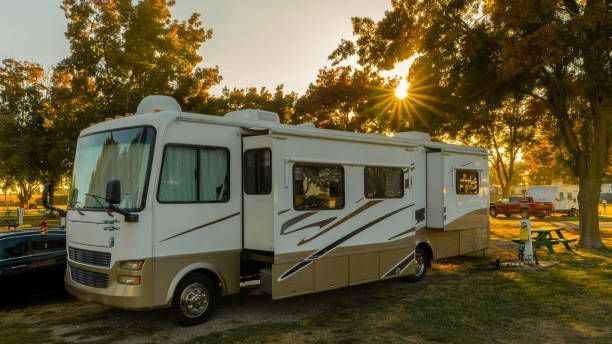
Voyager en camping-car en europe : les destinations incontournables et conseils pratiques
Voyager en camping-car en Europe offre une aventure inoubliable, alliant liberté et découverte. Des paysages époustouflants d’Espagne aux montagnes[…]
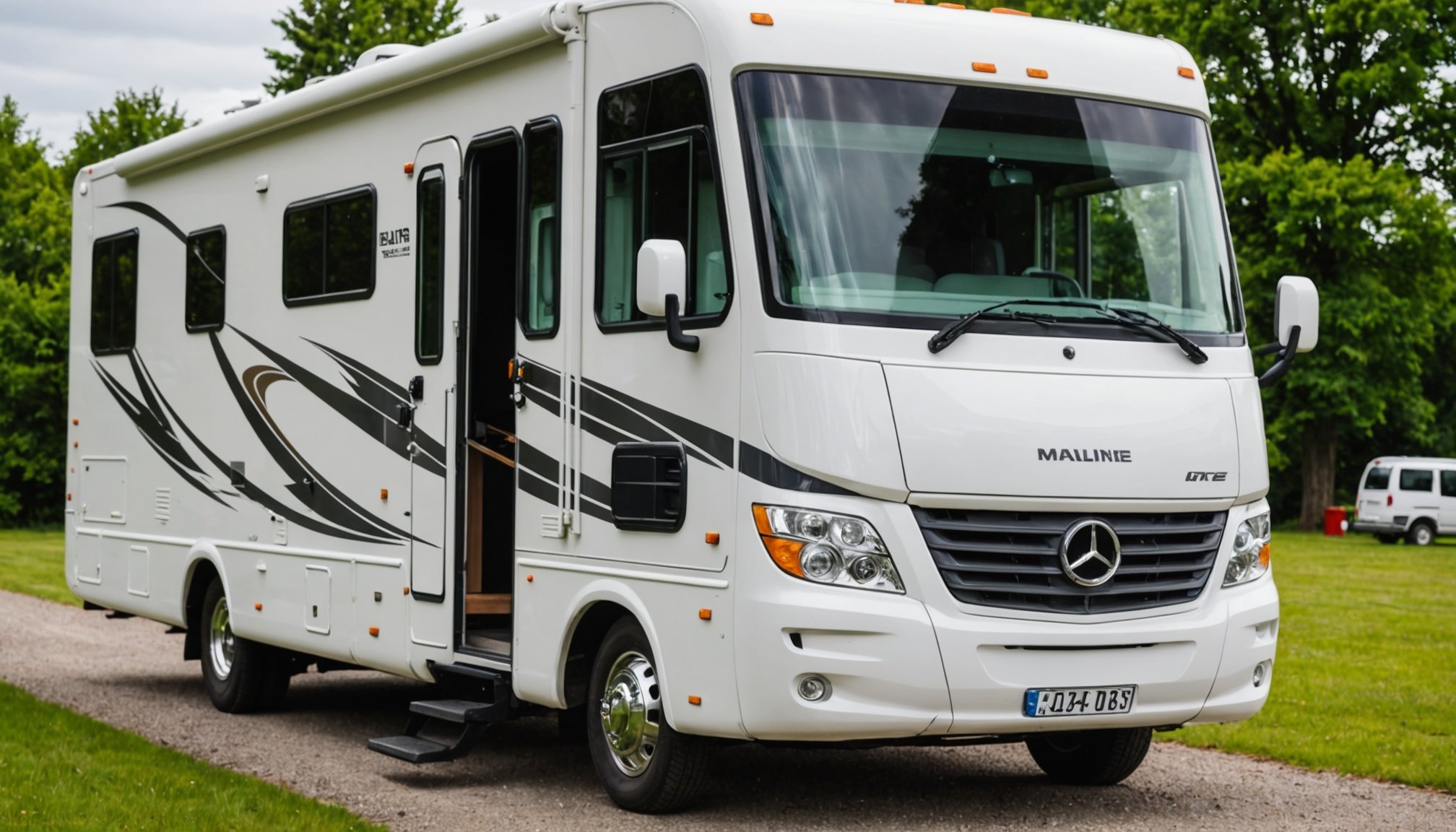
Réparation camping-car : conseils pour un entretien durable
L’entretien régulier de votre camping-car est essentiel pour garantir sa longévité et son bon fonctionnement. Des gestes simples, tels[…]

Que faire à venise : découvrez les trésors cachés de la ville
Venise ne se résume pas seulement à ses célèbres gondoles et canaux. Explorez ses trésors cachés et laissez-vous surprendre[…]

Billet pesos argentin : astuces pour bien voyager en 2025
Voyager en Argentine en 2025 nécessite une bonne compréhension des pesos argentins. Cette monnaie emblématique a évolué à travers[…]

Découvrez la location de mobil-homes en Corrèze au soleil
La Corrèze, avec son ensoleillement généreux et ses paysages enchanteurs, se révèle être une destination de choix pour louer[…]
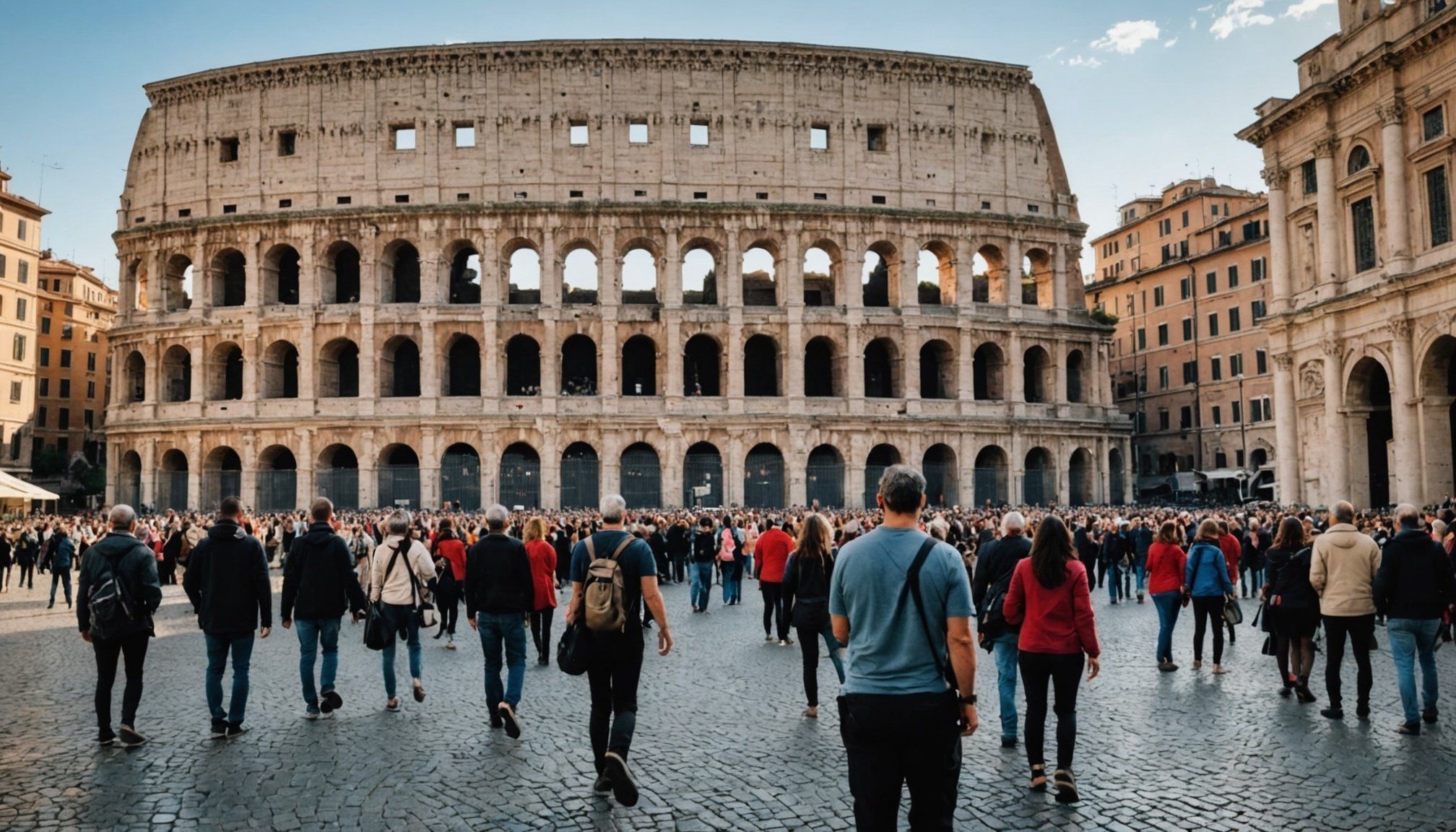
Rome Tourist Card : témoignages sur son efficacité et ses avantages
Le Rome Tourist Card peut transformer votre expérience dans la ville éternelle. Des témoignages révèlent ses véritables bénéfices, mettant[…]

Voyage en Écosse : nos conseils pour une aventure inoubliable
L’Écosse, avec ses paysages à couper le souffle et sa riche histoire, offre une aventure inoubliable. Qu’il s’agisse de[…]

Voyage au Sri Lanka : un séjour responsable et inoubliable
Le Sri Lanka, joyau de l’Asie du Sud, offre une expérience riche en biodiversité et en héritage culturel. Voyager[…]

Vacances au maroc : Évasion écoresponsable et authentique
Le Maroc offre des vacances qui allient évasion écoresponsable et immersion authentique dans sa culture riche. En choisissant des[…]

Vivez des moments inoubliables lors de votre évènement privé à pornic
Vivre un événement privé à Pornic, c’est s’assurer des souvenirs marquants. Avec son cadre idyllique, la ville offre une[…]

Omra en décembre : découvrez des séjours tout compris !
Décembre est une période privilégiée pour accomplir l’Omra, et les séjours tout compris facilitent cette expérience spirituelle. Explorez des[…]

Obtenez votre e-visa pour la birmanie facilement et rapidement
Obtenir un e-Visa pour la Birmanie n’a jamais été aussi simple. Ce processus numérique vous permet d’accéder rapidement à[…]

Où se loger entre hôtels et résidences appart Hôtel ?
Quand les vacances arrivent, les voyageurs se pressent pour trouver des hébergements sur Internet. Les étudiants en stage ont[…]

Location voiture nice : des offres à ne pas manquer !
À la recherche d’une location de voiture à Nice ? Ne manquez pas les offres exceptionnelles qui vous permettront[…]

Séjour linguistique en corée du sud : bien gérer votre budget
Un séjour linguistique en Corée du Sud est une aventure enrichissante, mais il peut rapidement devenir coûteux. Savoir gérer[…]

Vol pas cher : trouvez des billets au meilleur prix !
Trouver des tarifs avantageux pour vos déplacements peut sembler un défi cerné d’incertitudes. Cependant, des outils de comparaison puissants[…]

Les croisières : une aventure en pleine expansion
Depuis quelques années, l’attrait pour les croisières connaît un essor considérable. De la Méditerranée aux Caraïbes, les armateurs de[…]

Idées d’escapades pour un week end amoureux inoubliable
Découvrez des idées d’escapades uniques pour un week-end amoureux inoubliable. Choisir la bonne destination peut transformer des moments ordinaires[…]